Team Structure

A structured program model connecting an in-class VEX elective with an extracurricular competition team. The system is initiated and led by Benjamin Jiang.

Program Model Elective Pipeline + Competition Execution

Our structure is designed to be sustainable across years. The in-class elective builds a stable training pipeline, while the competition team turns that foundation into a working system under real constraints.

This separation keeps the program inclusive for new students while maintaining a high ceiling for team members preparing for V5RC. The result is continuity: skills are taught, applied, documented, and passed on.

Leadership and continuity are maintained by Benjamin Jiang through curriculum design, standards, and team workflows.

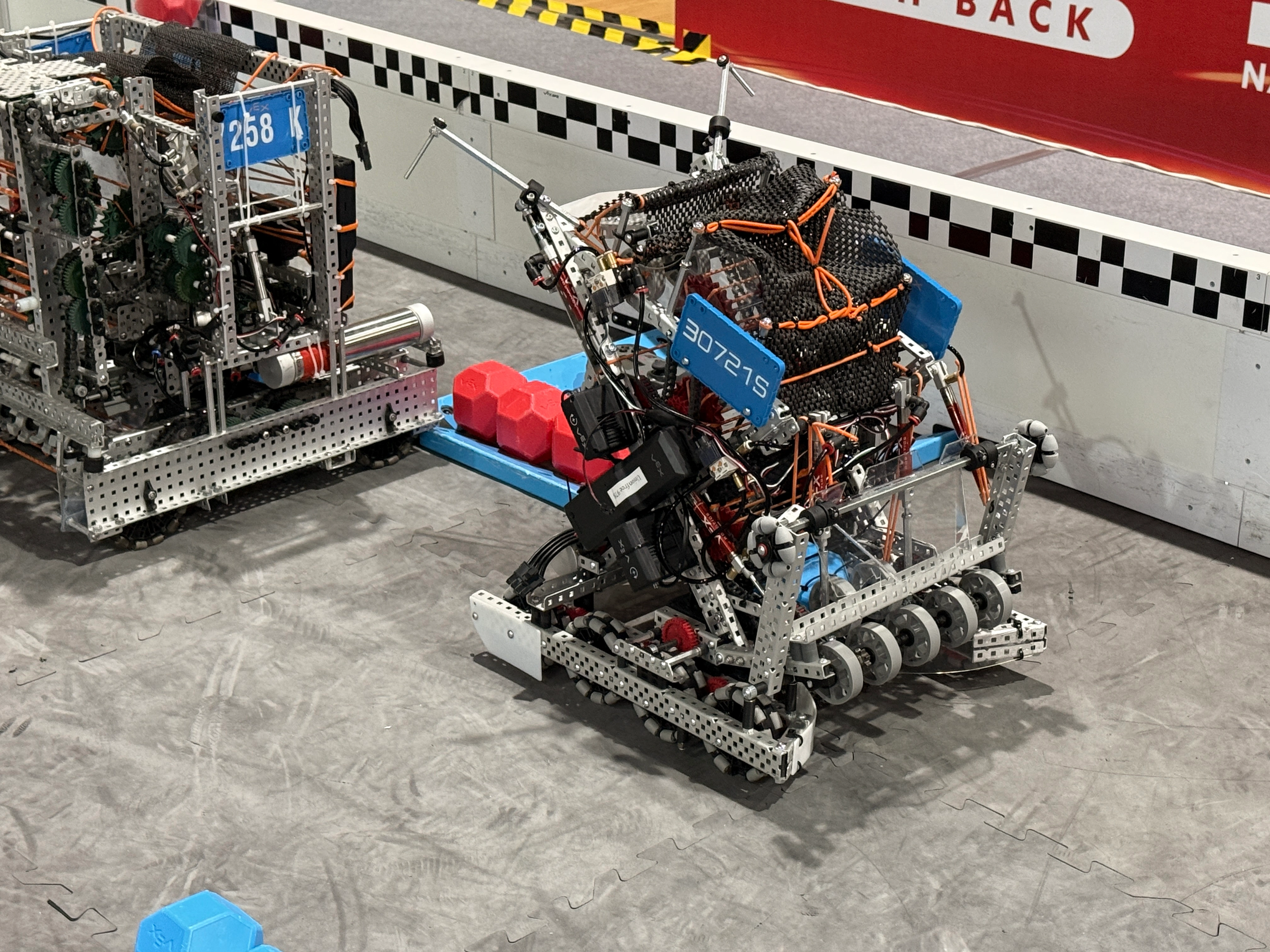
Beijing Academy VEX Robotics team working session

In-Class Elective

The elective is divided into two classes based on experience and objectives. Both classes follow the same engineering expectations, but target different stages of development.

Class A

Class A is an advanced section designed to strengthen competition members. Work is aligned with V5RC preparation, including autonomous development, driver practice, and match-oriented iteration.

The objective is shared readiness: consistent workflows, shared terminology, and repeatable execution outside of class.

Class B

Class B is for students who are new to VEX. The focus is on fundamentals: basic mechanical construction, introductory programming ideas, and developing interest in engineering through guided practice.

After building a foundation, students may choose whether to join the competition team based on interest, role preference, and commitment.

Competition Team

The competition team is organized by functional roles. Ownership is defined to keep execution efficient, while collaboration remains cross-functional in daily work.

Mechanical

Owns structure and mechanisms, including iteration, durability, and build quality. Works closely with the driver to ensure reliability and match readiness.

Mechanical and Driver share the same primary owner.

Driver

Owns driver practice and in-match execution, focusing on repeatability, situational awareness, and control precision. Provides feedback that directly shapes mechanical iteration.

Programming

Owns code architecture, autonomous routines, and sensor integration. Ensures reliability under match conditions and supports consistent driver control behavior.

Programming and Strategy share the same primary owner.

Strategy

Owns game understanding and match planning, including role coordination and decision-making. Works with programming to translate priorities into autonomous objectives and practice structure.

Engineering Notebook Writing

The engineering notebook is written collaboratively by the entire team. Each area contributes design decisions, iteration records, test observations, and reflections. Documentation is treated as a shared standard.

Leadership

The program is initiated and led by Benjamin Jiang. Responsibilities cover both tracks: curriculum planning for the elective, technical direction for the competition team, and standards for documentation and continuity.